Tanzania Travel Destinations
KILIMANJARO NATIONAL PARK
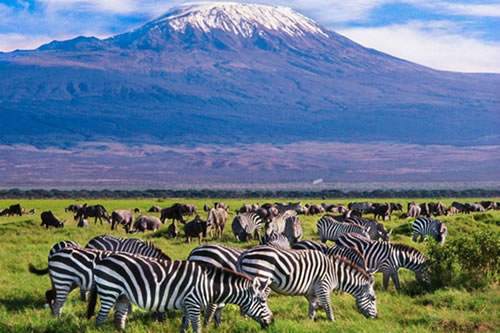 The park boasts of hosting the world's highest freestanding volcano and Africa's tallest snow-covered mountain. It is made up of two extinct volcanoes (Kibo 5,895m and Mawenzi 5,149m) and two dormant volcanoes (Shira 3,962m asl). The phrase's origins are uncertain, however, it is assumed to be a combination of the Swahili term Kilima, which means "Mountain," and the KiChagga word Njaro, which loosely translates as "Whiteness," giving birth to the insult "White Mountain."
SERENGETI NATIONAL PARK
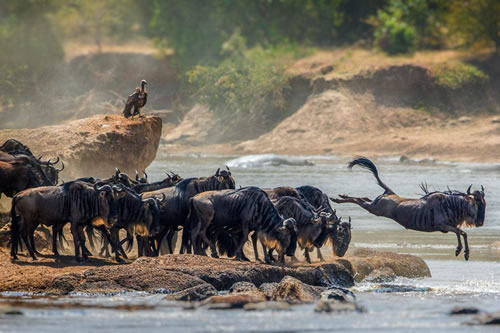 The Serengeti National Park, which spans 14673 square kilometers and borders Kenya, is Tanzanian oldest. The Park covers part of the 30,000-square-kilometer Serengeti-Maasai Mara Ecosystem, which is defined by the seasonal movements of wildebeest. Virtually every African animal species may be found in the Serengeti, which is home to millions of plains game that constantly circle the habitat. The park's massive granite rocks, known as kopjes, provide a haven for birds, colourful Agama lizards and gloomy snakes, charming rock hyraxes, and large cats seeking protection from the weather.
With its diversity, the Serengeti includes forest, thornbush, wetlands, and Lakes Lagaja and Magadi, sustaining over 30 species of big animals and over 500 species of birds, including Eurasian migrants.
ZANZIBAR
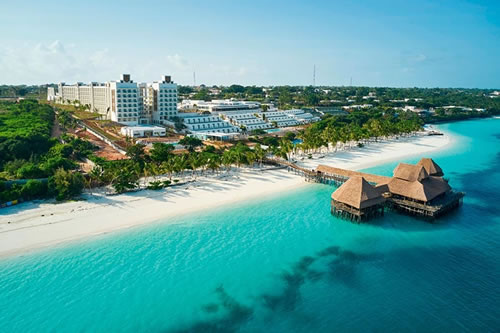 Zanzibar is an archipelago made up of several islands, the most notable of which is Zanzibar and Pemba. Zanzibar Island (locally known as Unguja but internationally as Zanzibar) is 60 miles long and 20 miles wide, with a total size of around 650 square miles. It is characterized by beautiful sandy beaches backed by coral reefs, as well as the appeal of old Stone Town, which is considered to be East Africa's only functional ancient town. You might lose track of time and days just walking through the intriguing maze of little alleys and lanes. UNESCO recently and rightfully designated Stone Town as a World Heritage Site.
THE OLDUVAI GORGE
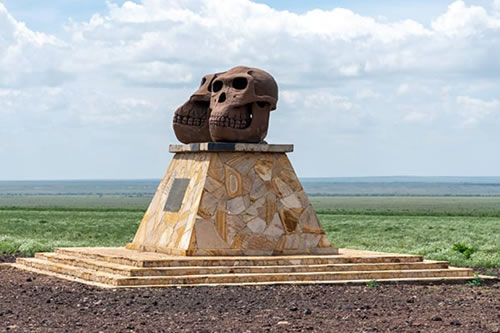 Olduvai Gorge, located in the Ngorongoro Conservation Area on the road from Ngorongoro Crater to Serengeti Park, is thought to be the birthplace of man and has provided some of his earliest relics. The bones are believed to have been discovered by a German entomologist while out hunting for butterflies! The German government was unable to sustain the excavation project due to the start of World War II, and the funds were ultimately shifted to the war effort. Years later, the Leakey family's research at the location reintroduced the Olduvai Gorge to the public eye. This remote spot became famous as the place where Dr. Mary Leakey discovered Australopithecus Boisei 1.5 million years ago, in 1959.
ARUSHA NATIONAL PARK
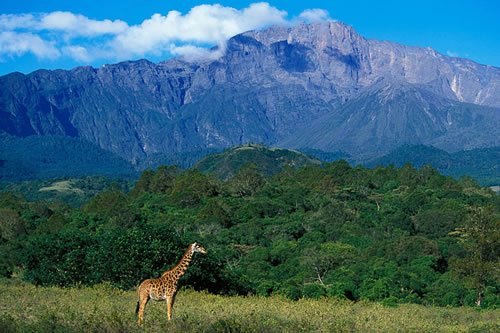 Arusha is located at the foot of Mt. Meru, Tanzania's second-highest mountain, and offers amazing views of Africa's highest peak, Mount Kilimanjaro.
Arusha National Park, a small gem located on the slopes of Mount Meru shelters the beautiful string of Momella lakes, the striking Ngurdoto Crater, as well as a good number of plains game including elephants and giraffes, monkeys and baboons, the occasional leopard, and rich and luxuriant vegetation including mahogany and olive trees.
Lake Duluti, near Arusha, is a lovely place where swimming and tilapia fishing is permitted. There are several aquatic birds in the region, and the surrounding landscape offers a fascinating and easy hike.
EXPLORE
https://storymaps.arcgis.com/stories/f15b300a73694ded83784a0ad50e960a
NGORONGORO CONSERVATION AREA
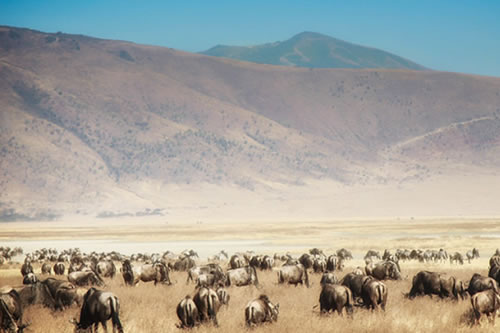 The Ngorongoro Conservation Area is part of the Serengeti-Mara Ecosystem and has an area of 8,280 square kilometres. During the rainy season, the Ngorongoro Conservation Area includes undulating rich green hills covered in flowers, while in the protected valleys and plains, clusters of settlements are home to the red-robed Maasai ranchers, ferocious in the defence of their cherished livestock and traditions. Forests, rivers, lakes, and marshes, as well as the immovable shadows of Africa's oldest mountains and volcanic craters.
The area has extinct volcanoes which include Lemagrut, Sadiman, Oldeani, Olmoti, Sirua, Lolmalasin, and Empakaai, which are always popular with hikers, and the Ngorongoro Crater, which is the world's largest inactive, intact, and unfilled volcanic caldera and a World Heritage Site.
Olduvai Gorge, a significant archaeological site, is also located near the Ngorongoro Conservation Area and Serengeti.
THE NGORONGORO CRATER
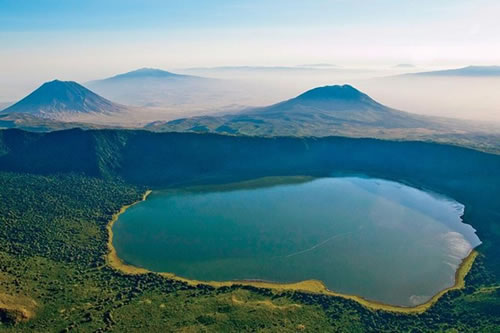 The Ngorongoro Crater, located in the Ngorongoro Conservation Area, is the world's biggest complete crater, measuring over 600 meters deep and 8-19 kilometers in circumference. It's thought to be around 8 million years old. The steep drop into the crater is almost as exciting as the view that greets you within; a breathtaking display of nature's greatest. The crater's varied topography, which includes swamps, rivers, marshes, woodlands, and cliffs, offers a haven for black-maned lions, cheetahs, buffalos, elephants, and leopards, as well as thousands of wildebeest, gazelles, and zebras, as well as both black-backed and golden jackals flamingoes and hippos. The Crater is also home to some of Tanzania's rare remaining rhinos.
LAKE MANYARA NATIONAL PARK
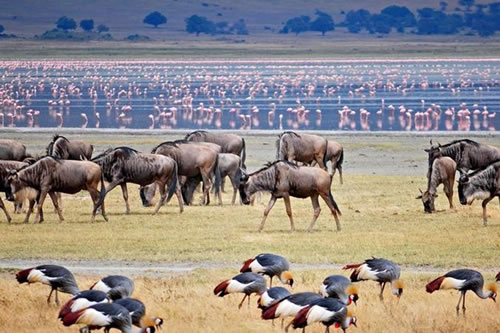 Lake Manyara National Park, named for the Wild Sisal that grows in the region, is the home to tree-climbing lions and is dominated by a soda lake that covers 230 square kilometres, or one-third of the park's entire size. The ever-changing vegetation that begins with thick forests of mahogany, fig trees, and wild mango, fed by tens of underground streams that drain the Ngorongoro Highlands, provides a haven for colorful birds, monkeys, and shy dwarf antelopes, and then opens up into woodland, a favorite of elephants and impala, and then unfolds into open savannah, teeming with herds of buffalo, wildebeest, zebra. It also has several hot springs and hippo pools.
EXPLORE
https://storymaps.arcgis.com/stories/10ce7c6dd58f427d8f9748320acb131f
MTO WA MBU
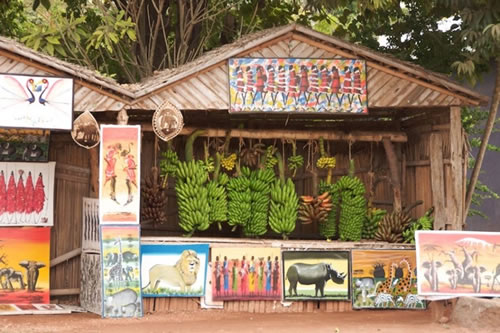 MtoWaMbu Village is located in the Great Rift Valley, near Lake Manyara and Tarangire National Park. The community is surrounded by breathtaking landscapes and is located on the major route leading to the Serengeti National Park and the Ngorongoro Conservation Region.
The Village allows tourists to interact with almost 120 tribes and is a cross-cultural melting pot with the most unusual blend of languages and customs found in any place in Tanzania.
The village offers various good walking, hiking, and bicycling trips ranging in length from a couple of hours to a whole day (bikes may be rented in the hamlet):
TARANGIRE NATIONAL PARK
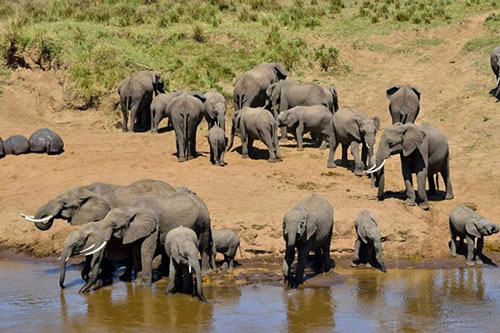 Tarangire is notable for its abundance of wild animals, particularly elephants, and it is also one of the best birding locations in East Africa. The park gets its name from the Tarangire River, which runs through it and encompasses an area of 2850 km2.
During the hot dry season, the park is at its most gorgeous. Everything is brown or orange, including the massive elephants who bury themselves in red earth to avoid mosquitoes and heat. The park's animal population approaches that of the Ngorongoro Crater at this time of year when species from as far away as Kenya migrate to the Tarangire River's calm permanent waters. Tarangire's pride and joy is its indigenous elephant population, which is estimated to number approximately 5000 individuals. Other animals under the watchful eye of cheetahs, leopards, and lions include wildebeest, zebra, eland, and oryx. The less-visited southern half of the park is home to wetlands teeming with hippos and birdlife, as well as savannah grasslands where walking safaris may be arranged.
SELOUS GAME RESERVE/ NYERERE NATIONAL PARK
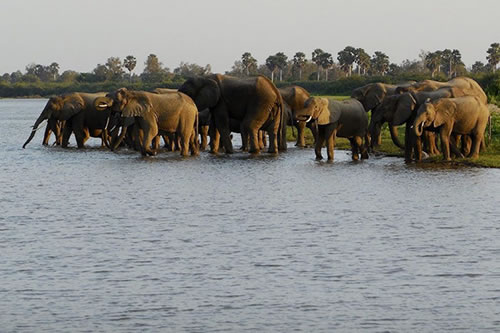 Selous Game Reserve now renamed Nyerere National Park the world's largest game reserve, with astonishingly high concentrations of elephants, buffaloes, and black rhinos, as well as the highest concentrations of the endangered wild dog, hippos, and crocodiles on the continent, the latter mostly found in the reserve's main landmark, the mighty Rufiji River, which drains into the Indian Ocean.
The Selous Game Reserve, named for naturalist Frederick.C. Selous, is accessible by vehicle, boat, or foot and provides an exciting experience of observing wild animal lairs while accompanied by rangers, offering a new perspective on game watching.
RUAHA NATIONAL PARK
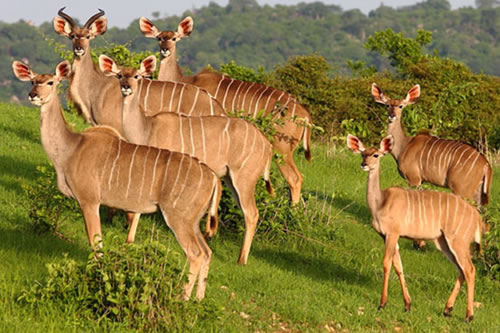 The Ruaha National Park is one of the world's most untamed and stunning natural habitats, with steep canyons, acacia trees, shrubs, and rich vegetation around the Ruaha and Njombe Rivers. The Greater Kudu, a gorgeous antelope with massive spiral horns that are normally cautious and elusive in other East African parks, is frequently seen in Ruaha, one of the continent's most stunning parks.
Lazing along the river banks are wild dogs and a broad assortment of plains animals, including the rare and gorgeous Sable and Roan antelopes, as well as buffalos, giraffes, cheetahs, pride of lions, leopards, and crocodiles.
EXPLORE
https://storymaps.arcgis.com/stories/6b60e2c2d20041828a34d8dd0e4dd1ed
MIKUMI NATIONAL PARK
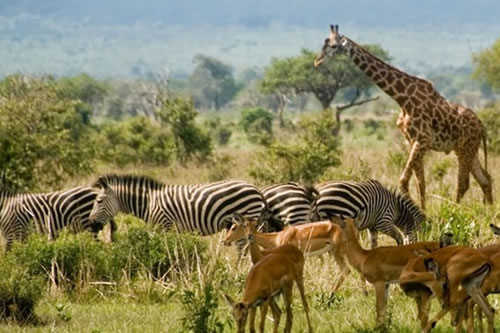 Despite its accessibility, Mikumi is the most enticing safari park. This park gives you an authentic African safari experience while saving you time.
The Park contains several visible species. Because of its proximity to Dar, it is ideal for weekend travelers who do not want to commit to a lengthy safari program.
The park, which covers 3,230 square kilometers, was named after the Borassus palm tree, which once flourished there.
EXPLORE
https://storymaps.arcgis.com/stories/3b02bf6a9e98487d877cb1f6151ff6d2
GOMBE STREAM NATIONAL PARK
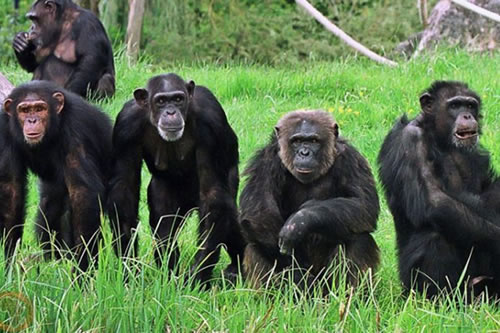 The 52-square-kilometer Gombe Stream National Park was formed in 1968 after being upgraded from a wildlife reserve. It was established primarily to safeguard the endangered Chimpanzee population in the region. It is Tanzania's smallest national park. Jane Goodall's research station is located there. In addition to the chimps, the park has red and black & white Colobus monkeys, yellow baboons, Sykes' monkeys, and bush babies. There are buffalo, waterbuck, bushbuck, and even a leopard on occasion.
MAHALE MOUNTAINS NATIONAL PARK
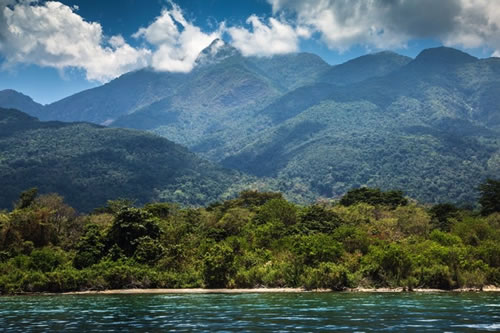 This stunning national park, which protects the misty Mahale Mountains, is home to multiple chimp families and was created to preserve them. Mahale is home to the beautiful Roan antelope, buffalo, zebras, and the rare leopard! The environment ranges from the lush rainforest and alpine bamboo forests in the stunning Mahale Mountains to open grasslands on Lake Tanganyika's shoreline. Snorkeling is allowed in the lake, which is home to over 90 kinds of fish, including Cichlids.
DAR - ES - SALAAM
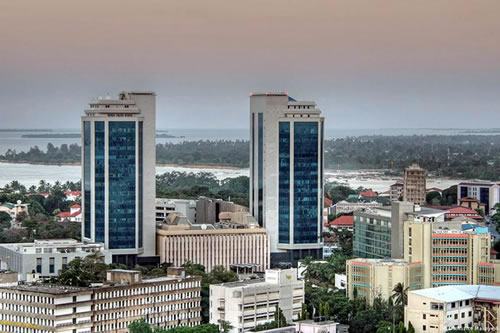 Late in the nineteenth century, Sultan Sayyid Majid of Zanzibar initiated the transformation of what was then a modest, unremarkable fishing hamlet, a "Haven of Peace," as he dubbed it, into what is today Tanzania's most significant administrative and commercial city- Dar es Salaam.
Dar has managed to keep its laid-back and informal environment, showcasing its attractiveness via its easygoing blend of African and Eastern traditions, despite its current size and population of over 3 million.
Narrow winding streets and low, shuttered buildings from the Arab period give way to vibrant and lively traditional African roadside markets selling spices, tropical fruits, and handicrafts; skyscrapers coexist with the "Hall of Man," a museum housing several of the first finds from the Olduvai Gorge, including the skull of Australopithecus Boisei and other archaeologically significant fossils, as well as displays of the centuries-old Shirazi civilization. There are also open-air marketplaces that sell modern Tanzanian art, including Tingatinga paintings.